About CPNA
CPNA is a volunteer run, community-building organization and the official voice of Cook Park residents to the City of Denver.
About CPNA
The Cook Park Neighborhood Association (CPNA) is a 100% volunteer-run, non-partisan, nonprofit organization created to build community and respect among neighbors, and advocate for issues that affect our neighborhood.
As a registered neighborhood association, the CPNA offers the opportunity to get involved in issues that have an immediate impact on our neighborhood and its quality of life.
Board of Directors
CPNA is governed by a volunteer Board of Directors who are elected to serve one-year terms. Elections are held at the annual meeting, on the third Thursday in January. All residents of Cook Park who live in the neighborhood are eligible to nominate, vote and participate in the election.
-
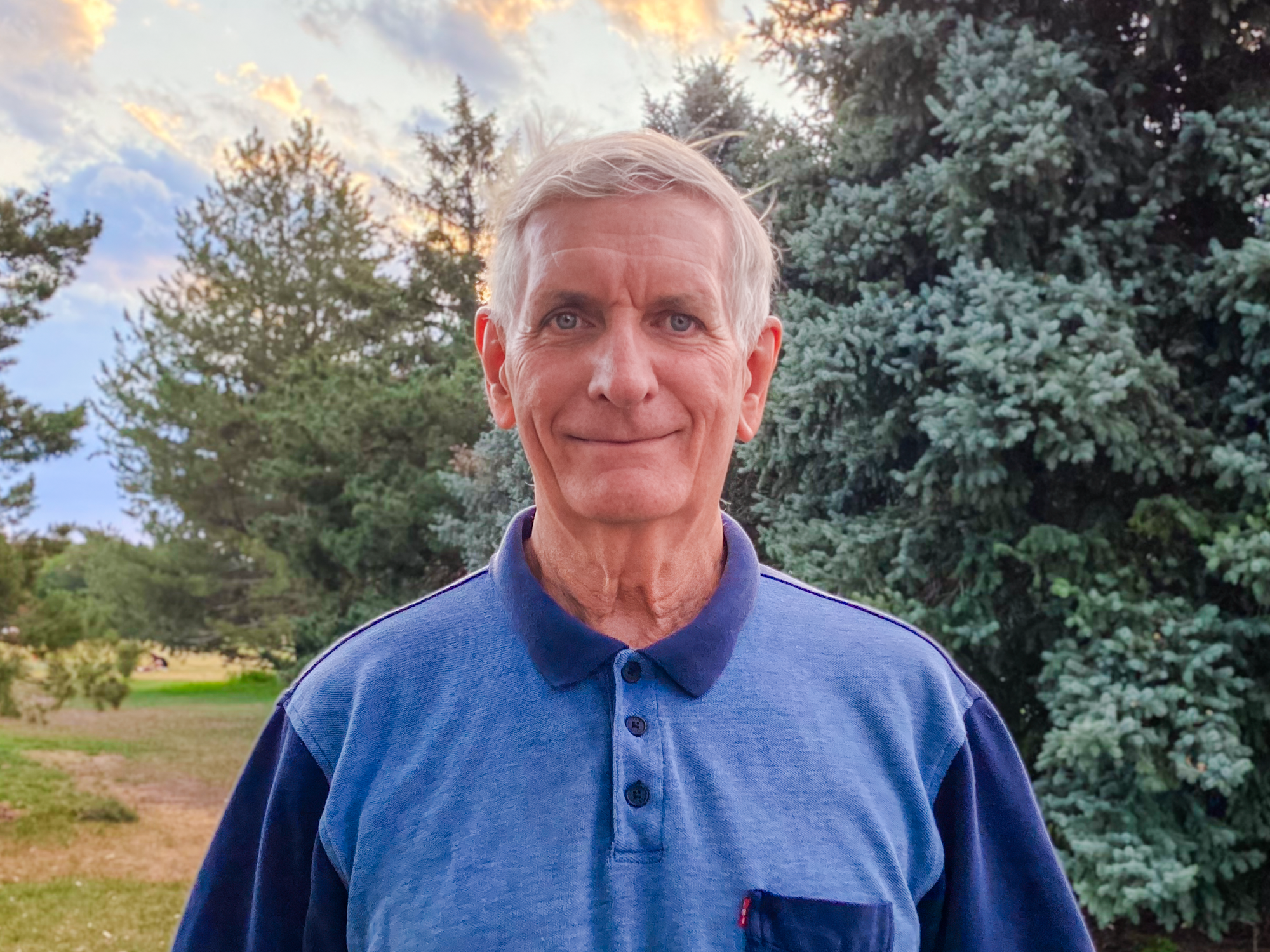
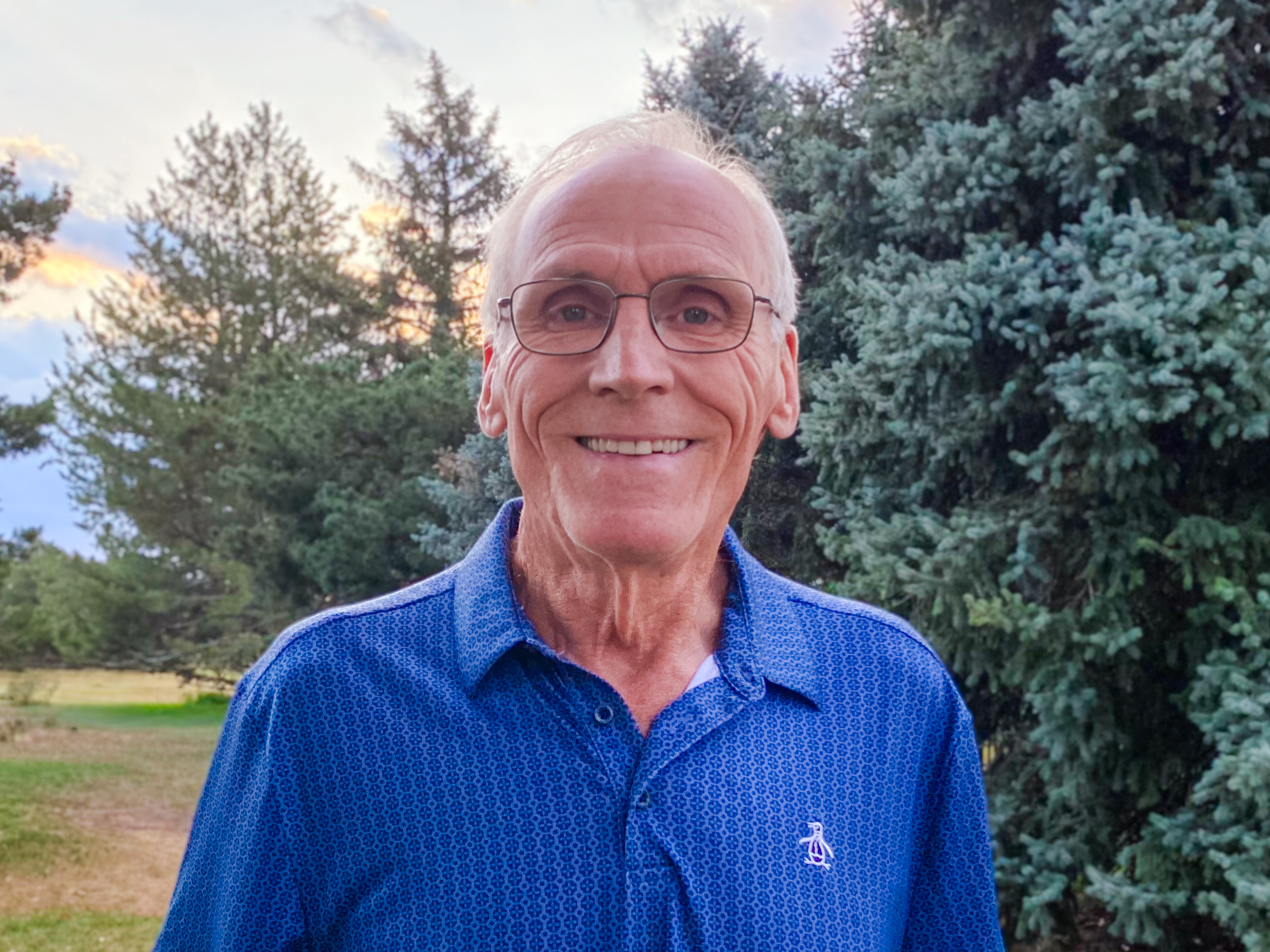
Ed Hornung
TREASURER
-
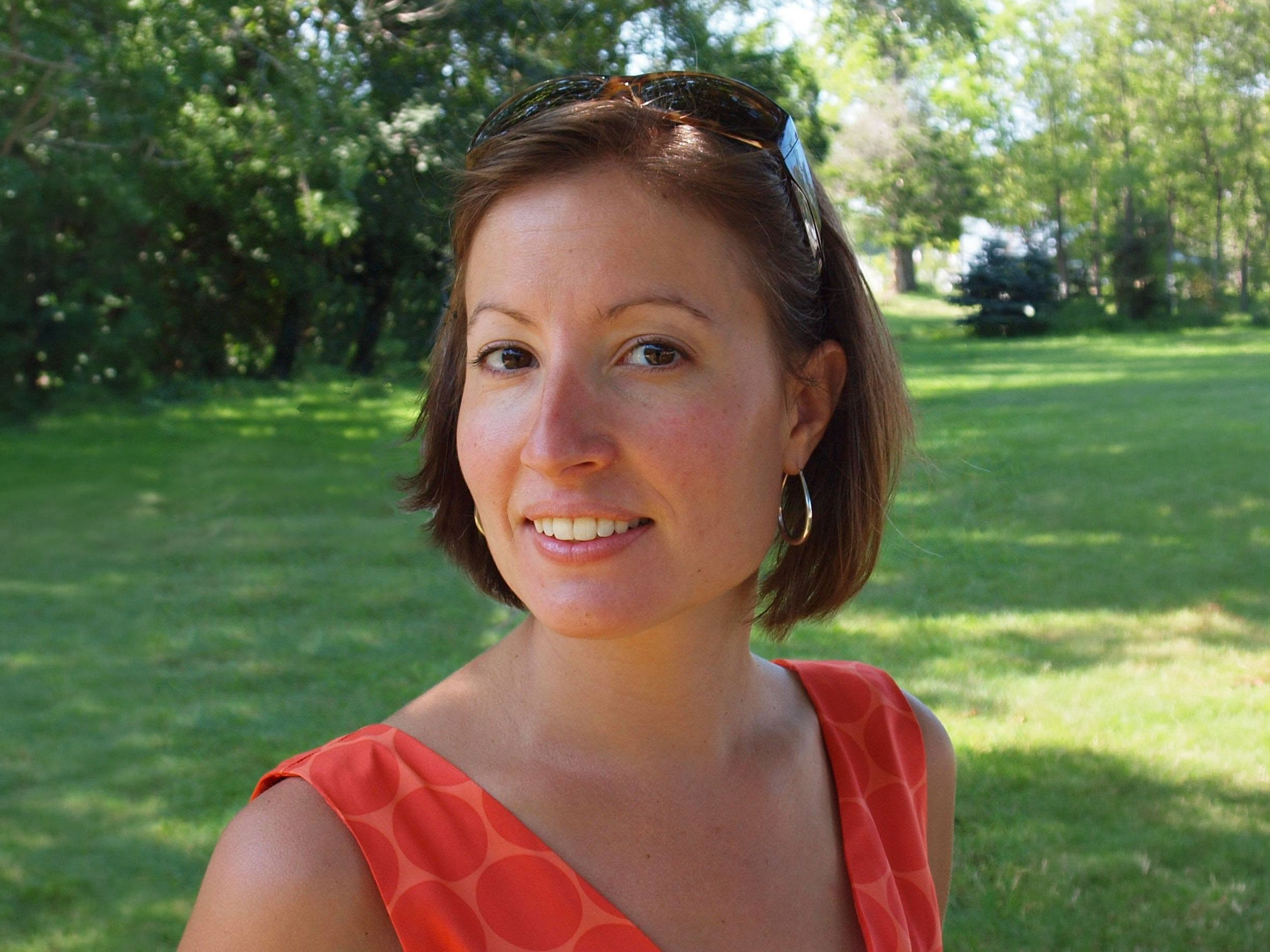
Stewart Reed
SECRETARY
-
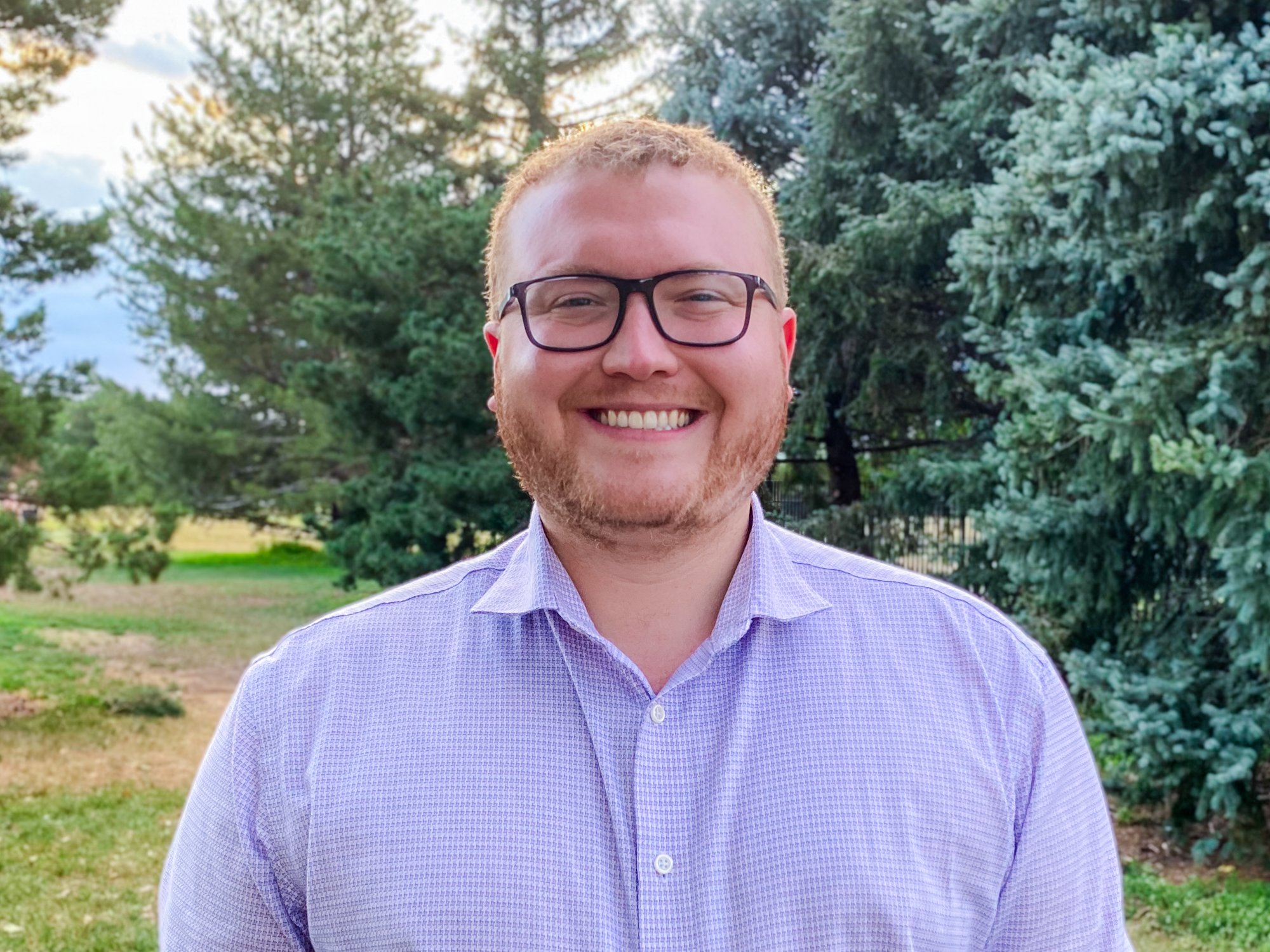
Maggie Janco
DIRECTOR AT-LARGE
-
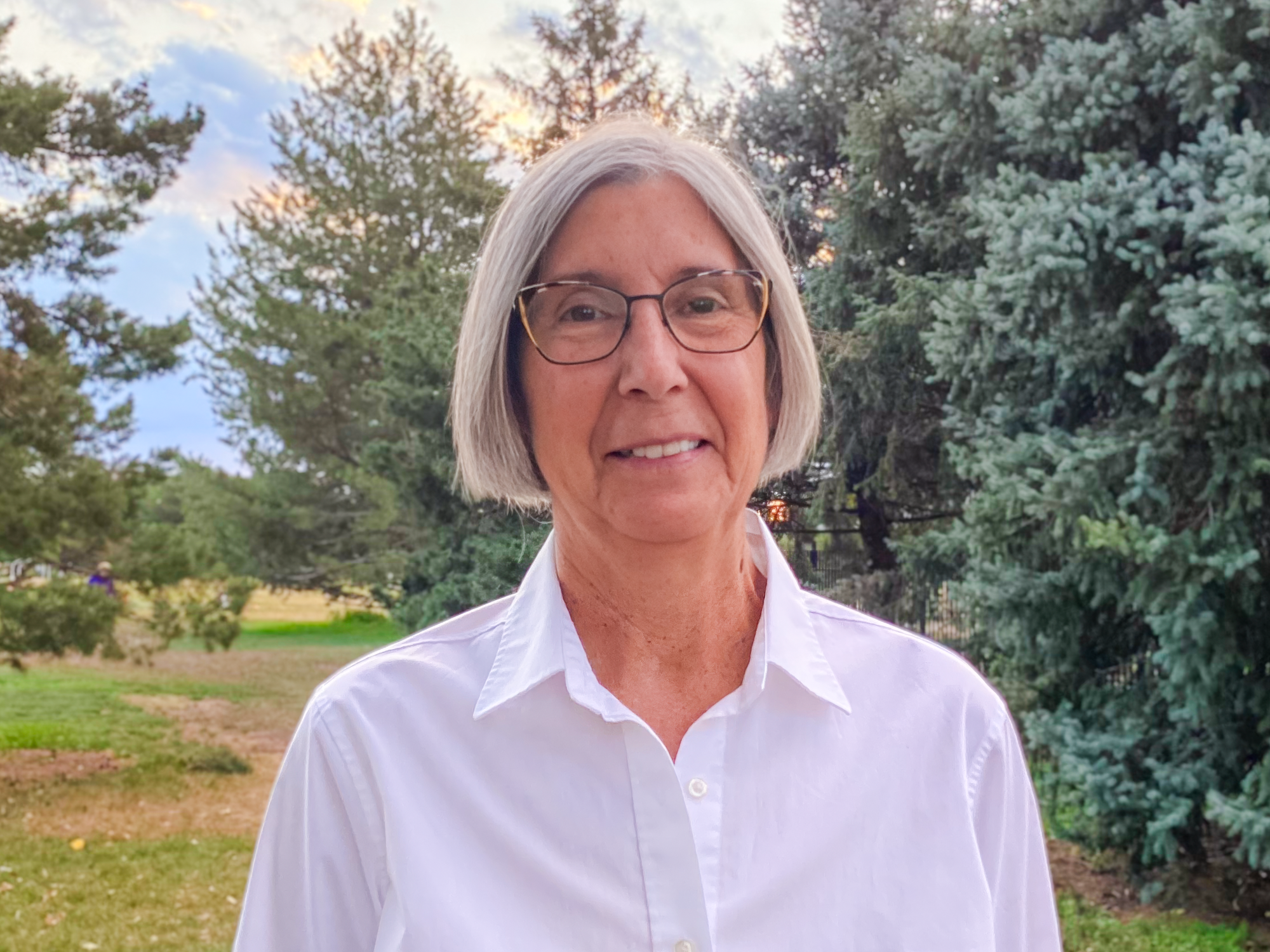
Matt Walter
DIRECTOR AT-LARGE
-
Sharon Beer
DIRECTOR AT-LARGE
Neighborhood Boundary
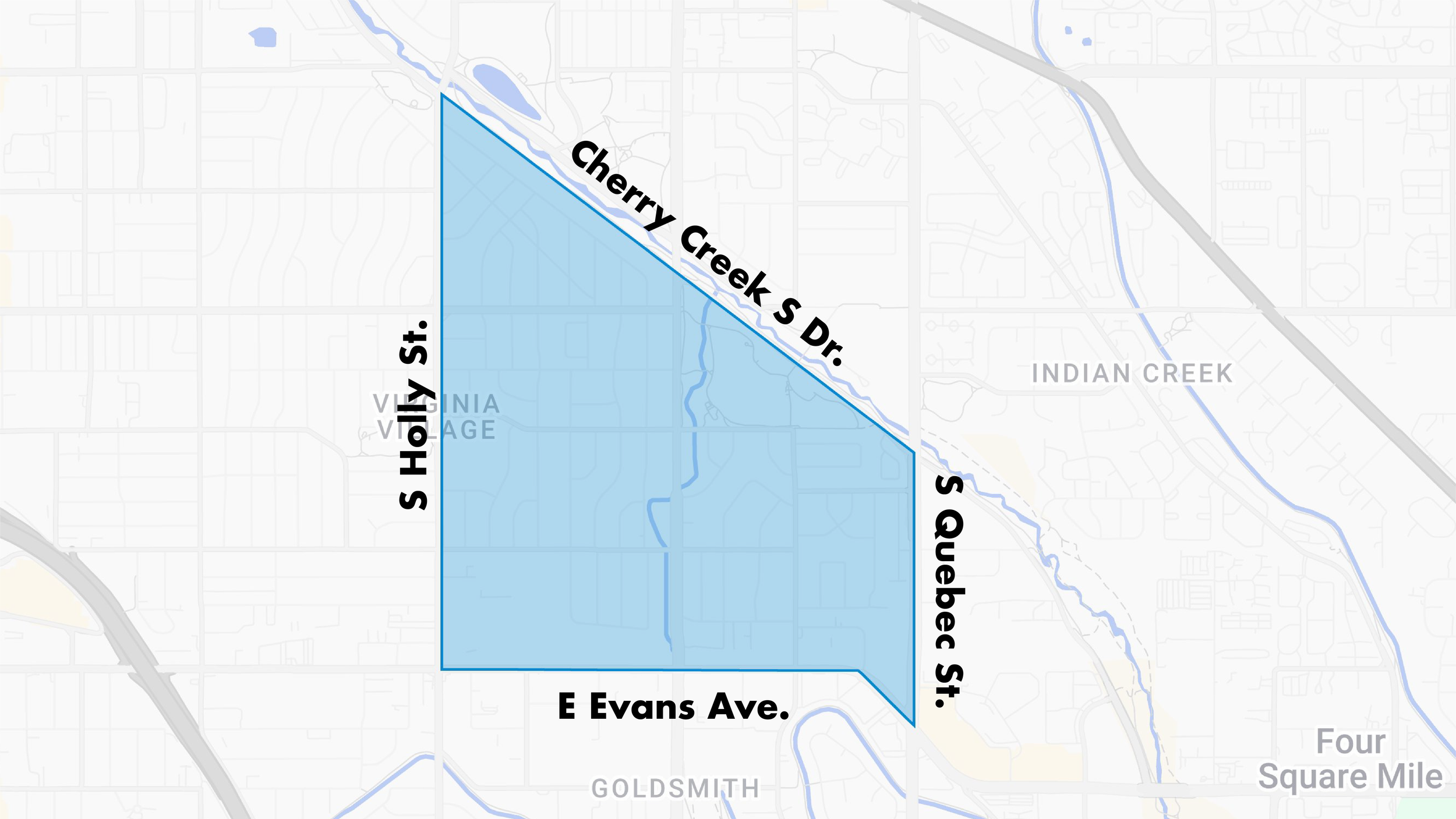
The Denver neighborhood known as Cook Park is bordered by E Evans Ave. to the south, S Quebec St. to the east, A Holly St. to the west and Cherry Creek S Dr. to the north.
Neighborhood History
The Cook Park neighborhood in southeast Denver, Colorado, is a mid-century residential community anchored by its namesake green space, Cook Park. Located between Evans Avenue (south), Quebec Street (east), Holly Street (west), and Cherry Creek Drive (north), the area forms the eastern portion of the larger Virginia Village neighborhood.
Origins and Development (1950s–1960s)
The Cook Park neighborhood began to take shape in the 1950s and 1960s as Denver expanded outward following World War II. During this period, demand for housing surged, and developers platted subdivisions on what had previously been open prairie and agricultural land. The area’s street grid and residential lots were filled in with single-family homes designed to accommodate growing families and returning veterans.
Throughout the 1960s, residential construction continued, with a range of architectural styles — from ranch and Cape Cod to Colonial-inspired homes — reflecting changing tastes and family needs of the era. As families settled in, the neighborhood matured into a stable community with local schools, churches, and small commercial nodes just beyond its borders.
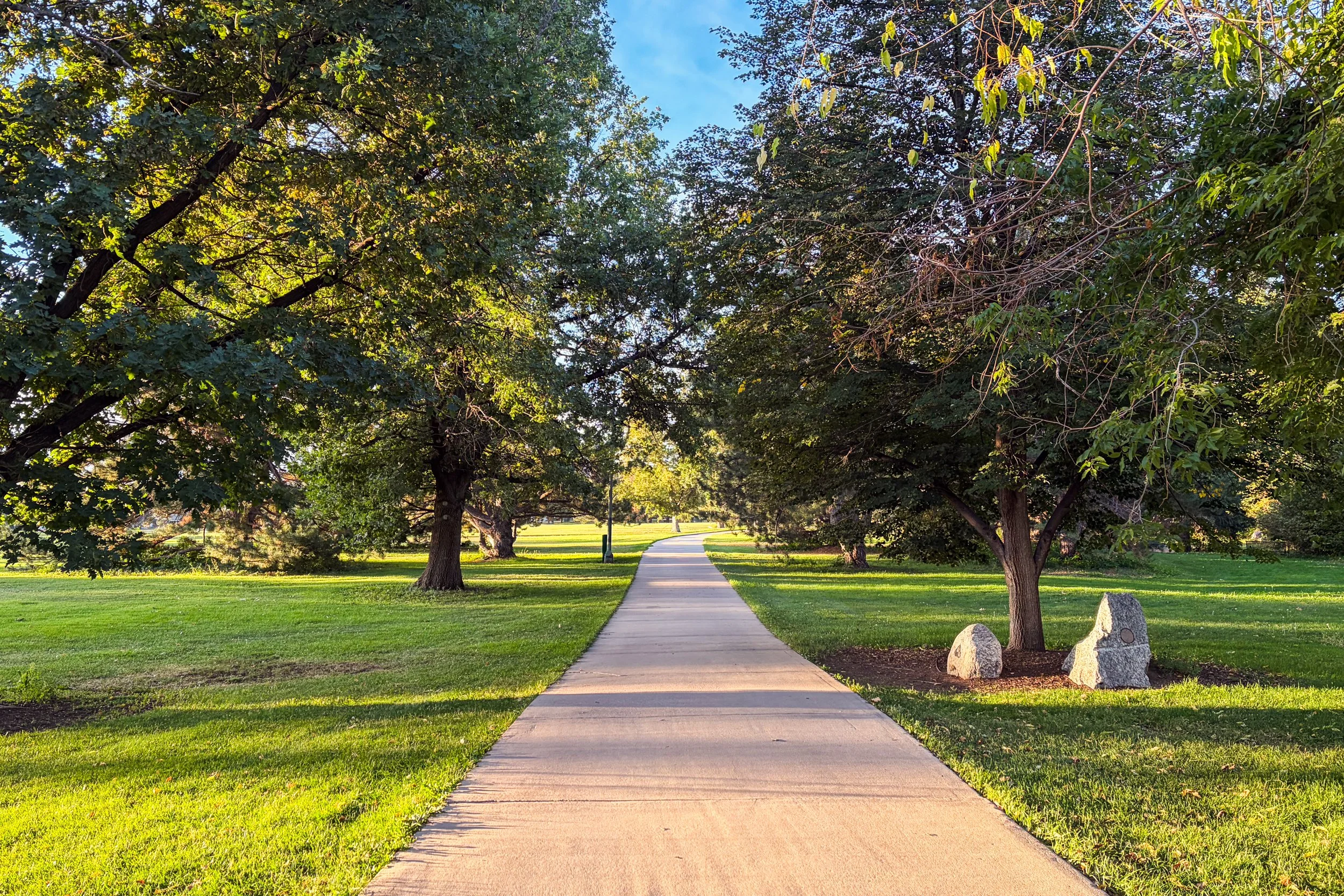
A defining feature and namesake of the community, Cook Park, was established in 1965 when roughly 33 acres of prairie along Cherry Creek and Goldsmith Gulch were transformed into a public park with picnic areas, walking paths, playgrounds, and athletic fields. The park was later expanded east of Oneida Street to its present size of about 40 acres.
The Park’s Namesake: Judge Joseph E. Cook
The park and, by extension, the neighborhood’s identity, honors Joseph E. Cook (1892–1963) — a respected Denver attorney, WWII veteran, long-time deputy district attorney, and Denver district court judge. Cook was deeply engaged in community service, particularly youth programs through groups like the Boy Scouts, YMCA, and Big Brothers, and received numerous awards for his work with children and families.
Community and Modern Identity
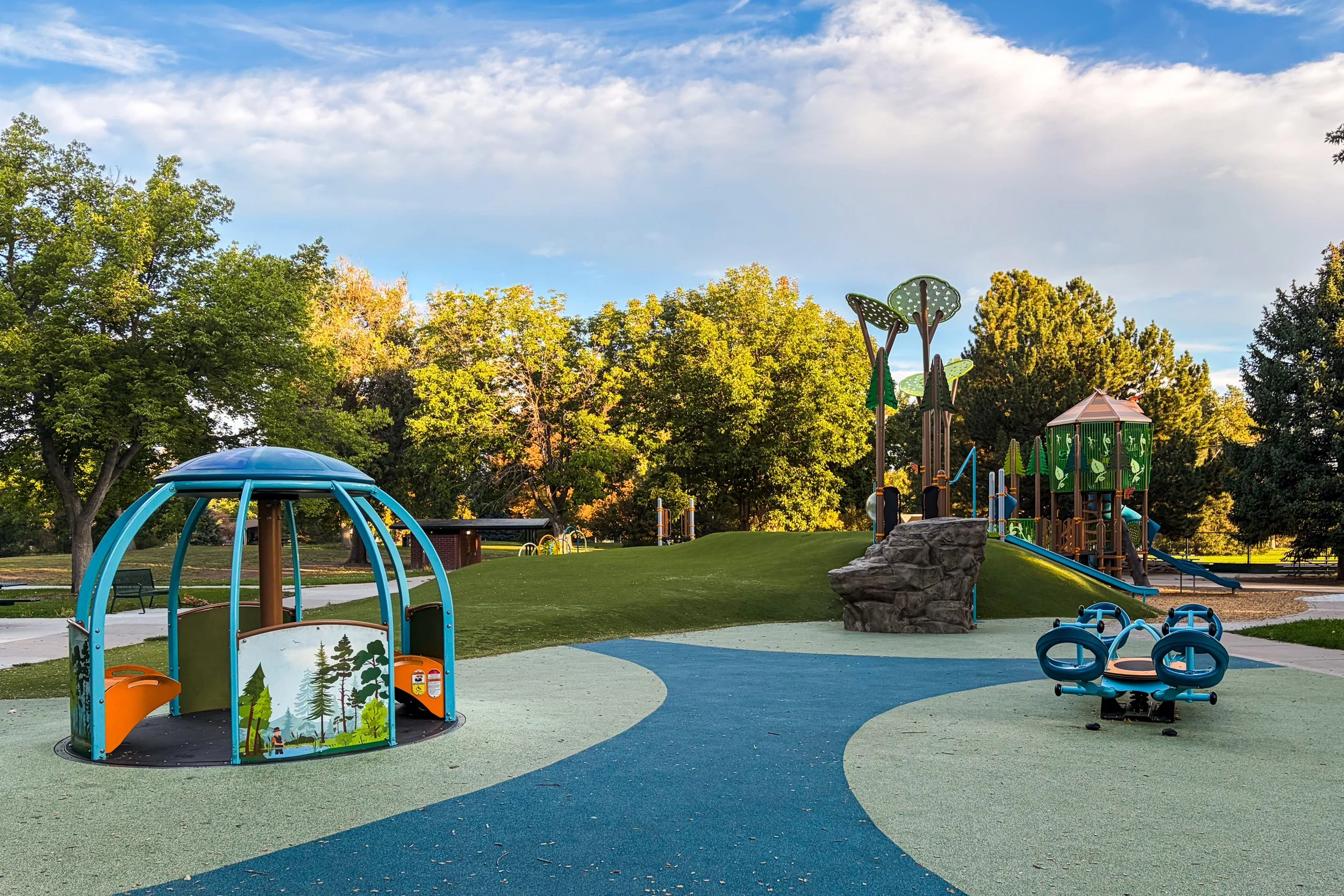
Today, Cook Park remains valued for its balance of residential charm and access to urban amenities. The park itself continues to be a focal point for family recreation and community activity, including updated playgrounds and public space improvements in recent years. With its mix of post-war homes, leafy streets, and strong neighborhood identity, Cook Park bridges Denver’s historic suburban expansion with the city’s evolving urban fabric — making it a distinct and enduring part of the southeast Denver landscape.
Additional Resources
FAQ
Have questions about CPNA? Take a look at our Frequently Asked Questions or contact us anytime.
-
CPNA Meetings are held monthly. CPNA meetings provide an opportunity to learn and discuss issues impacting our neighborhood, as well as ask questions, present suggestions and meet fellow residents and local representatives.
When: 3rd Thursday of each month @ 6:00-7:30 PM
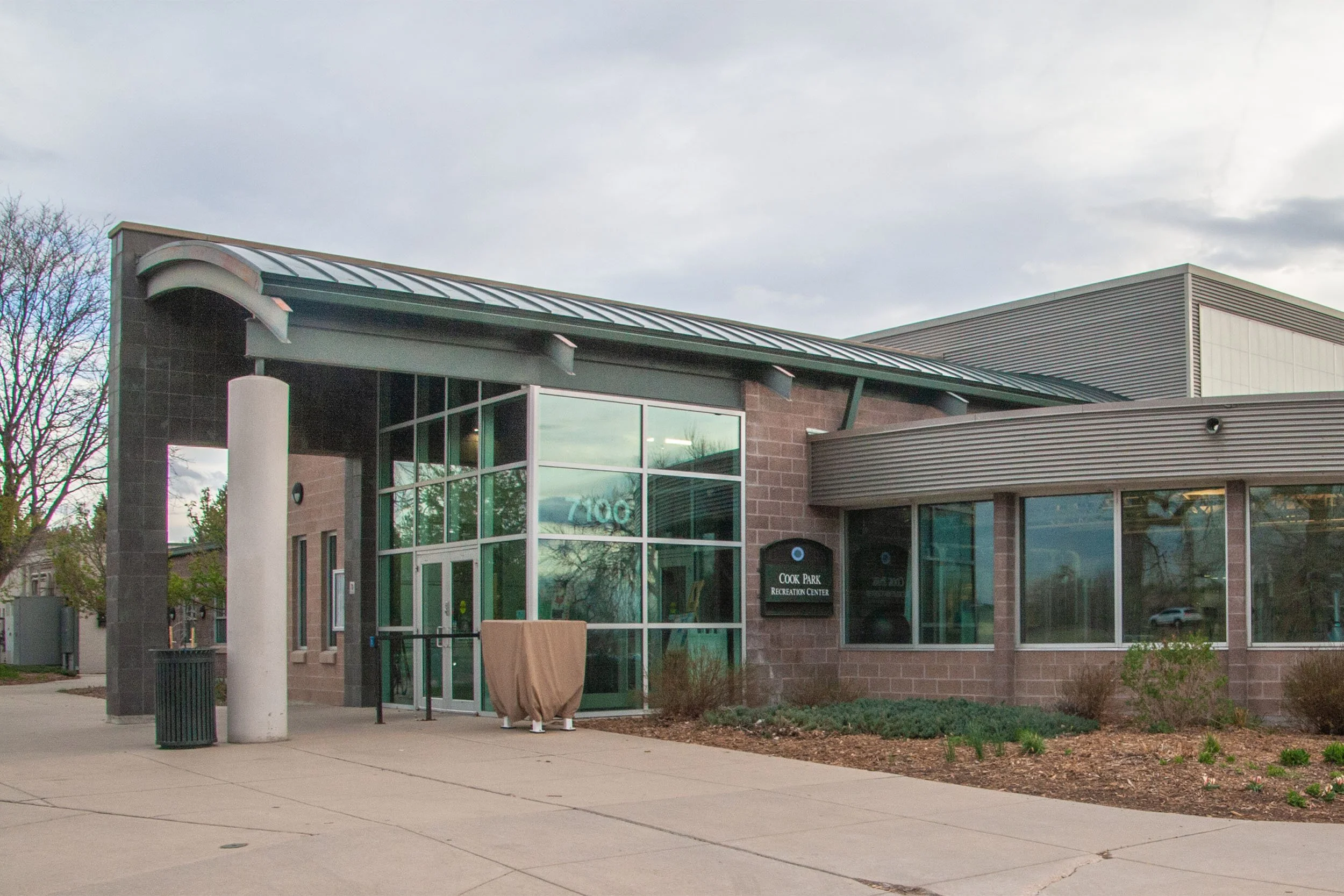
Where: Cook Park Recreation Center, Classroom A | 7100 Cherry Creek S. Dr.
Virtual: click to joinAnnual Board Elections are held at the January meeting. We don’t meet in December.
-
All residents of Cook Park, as well as interested parties, are welcome to attend. All residents of Cook Park are eligible to nominate, vote and participate in the election.
-
CPNA hosts a number of events to bring the neighborhood together. Annual events include:
Monthly Meetings
Cook Park Neighborhood Nights & Food Truck Rally
Neighborhood Yard Sale
Cook Park Cleanup (Spring & Fall)
4th of July Bike Parade
Halloween Parade
Dates for upcoming events can be found on our events calendar.
-
RNOs are an important part of the fabric of Denver and play a key role in the ongoing effort to make Denver a great place to live and work.
RNOs are groups formed by residents and property owners within a neighborhood who meet regularly and whose organizational and contact information is kept on file with the city’s Community Planning and Development Department.
RNOs were created to increase access to city departments and agencies; to improve the flow of information between the city and its constituents; and to enable neighborhood organizations to provide input before certain decisions affecting their neighborhoods are made by agencies and departments of the city.
RNOs receive notification of proposed zoning amendments, landmark designation applications, planning board and board of adjustment hearings, liquor and cabaret licenses and other activities occurring in the neighborhood as stipulated in the Denver Revised Municipal Code, Chapter 12, Article III.
For more information, visit denvergov.org.